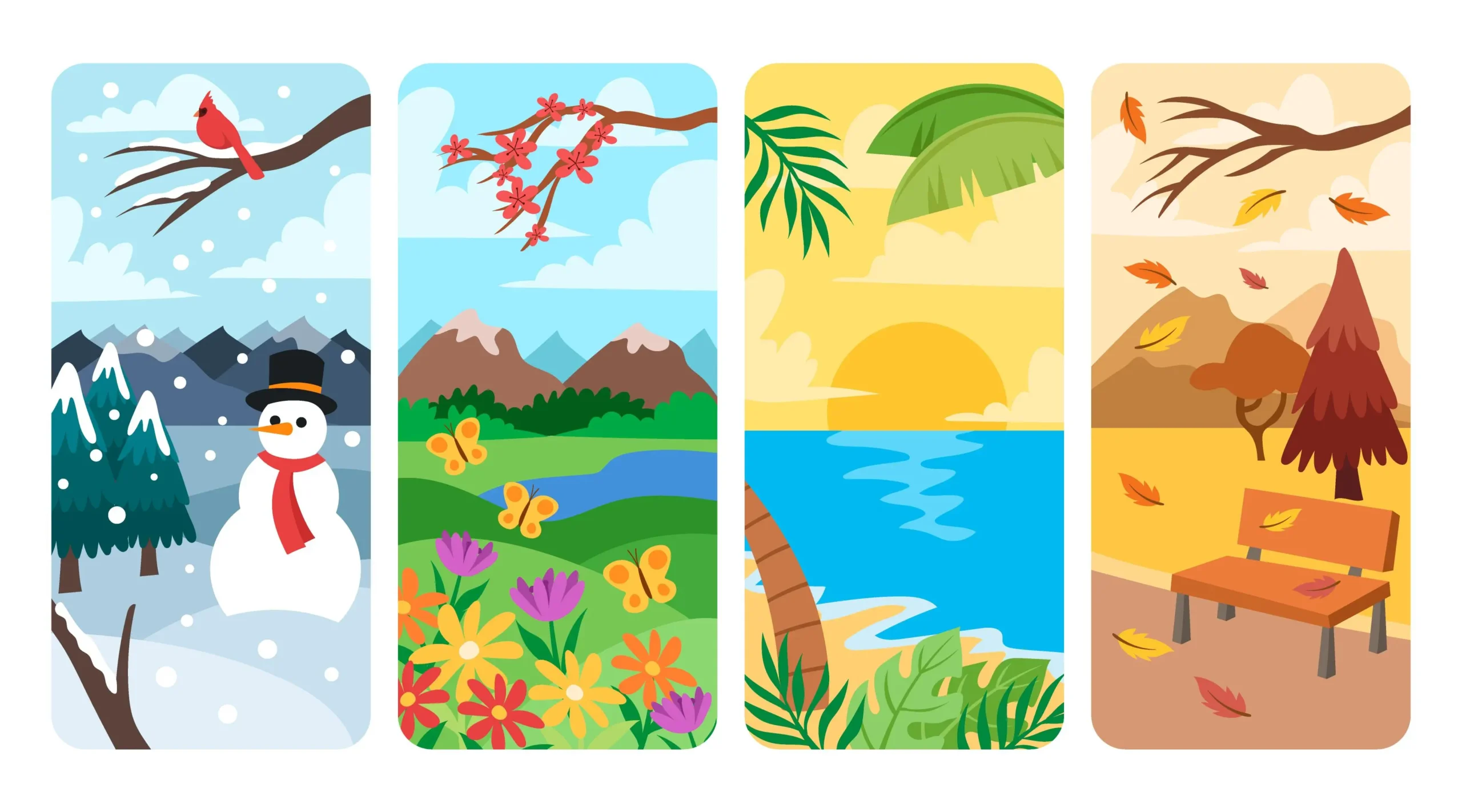

As someone living in a tropical country, you might have wondered what it’s like to live in a place with four distinct seasons. Naturally, the change of seasons brings differences in habits, lifestyle, and traditions.
If you’re planning to live, work, or study in the United States, it’s important to understand how the seasons change and what preparations you’ll need to make.
Before you go, let’s explore the four seasons in America, their unique characteristics, and some travel tips for each season!
Why Does America Have Four Seasons?
The United States experiences four seasons: spring, summer, fall, and winter. These seasonal changes happen because of the country’s location in the Northern Hemisphere and the Earth’s 23.5° axial tilt, which makes sunlight reach different regions with varying intensity throughout the year.
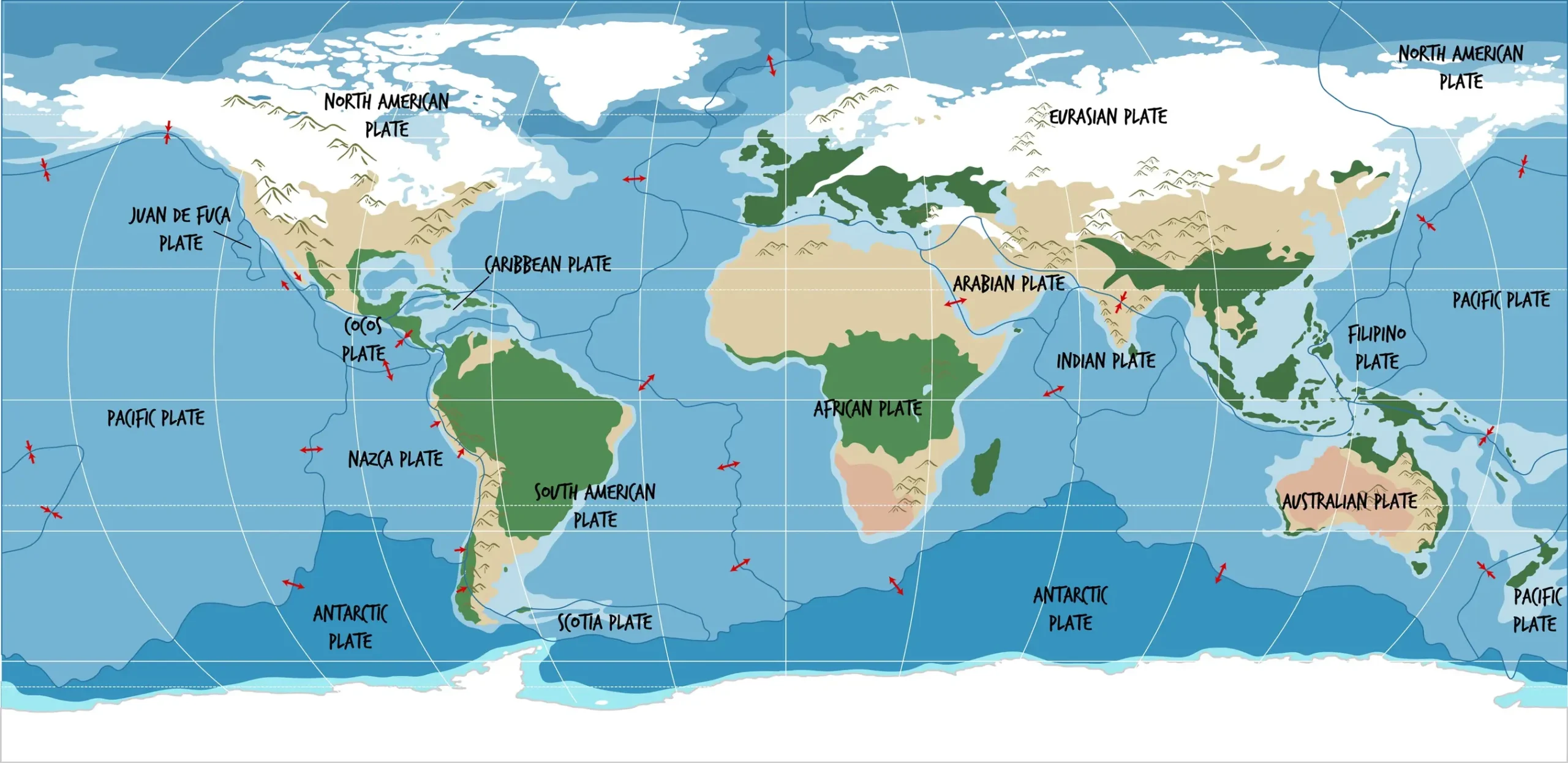
During summer, the Northern Hemisphere, including the U.S., tilts toward the sun, resulting in longer days and warmer weather. In winter, it tilts away, making temperatures drop and days shorter.
However, not all parts of the U.S. experience these seasons the same way. For instance, Florida and Hawaii have warm, tropical climates year-round, while states like New York, Chicago, and Colorado have more distinct seasonal changes.
Before visiting the U.S., make sure to check which season it is in your destination city — the weather in California can be completely different from that in New York at the same time!
Read more: List of States in The United States
The Four Seasons in the U.S. and Their Characteristics
Even though the weather varies across regions, these general characteristics can help you prepare for your trip to the U.S.
1. Spring (March – May)
Spring in the U.S. is marked by blooming flowers, warmer air, and melting snow in northern areas. Trees turn green again, and city parks come alive with colorful tulips and cherry blossoms. Temperatures usually range between 10°C and 20°C, making it perfect for outdoor activities.

If you’re planning to visit during spring, pack comfortable shoes and a light jacket. Also, bring a compact umbrella since rain showers are still common.
You can also attend spring festivals like the National Cherry Blossom Festival in Washington, D.C. or the International Food Festival in New York City.
2. Summer (June – August)
Summer is the brightest and liveliest season in America. Temperatures can reach 25°C to 35°C, and people spend more time outdoors—going to the beach, hiking, or enjoying open-air concerts. Since it’s also the school holiday period, most tourist attractions can get quite crowded.
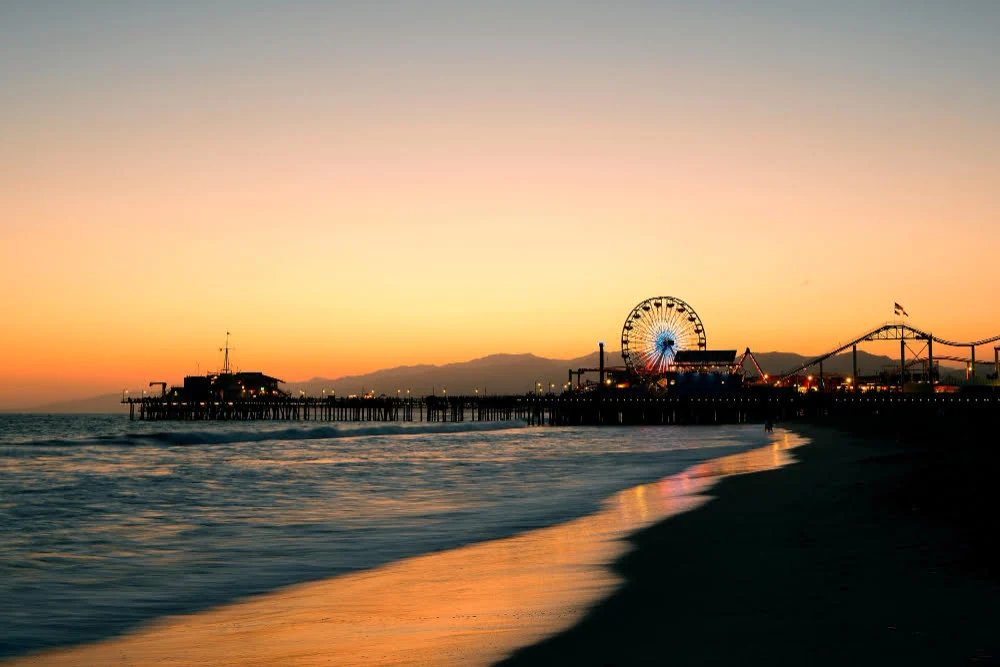
If you’re traveling in summer, make sure to bring sunscreen, a hat, and wear light clothing. Because of the heat, it’s best to avoid heavy activities in the middle of the day.
For cooler destinations, you can visit Mackinac Island in Michigan, Shelter Cove in California, or the Blue Ridge Mountains.
3. Fall (September – November)
Fall is known for its breathtaking orange, red, and yellow leaves. During this time, temperatures drop to around 10°C to 18°C. Besides the beautiful scenery, fall in the U.S. is also famous for cultural celebrations like Halloween and Thanksgiving.
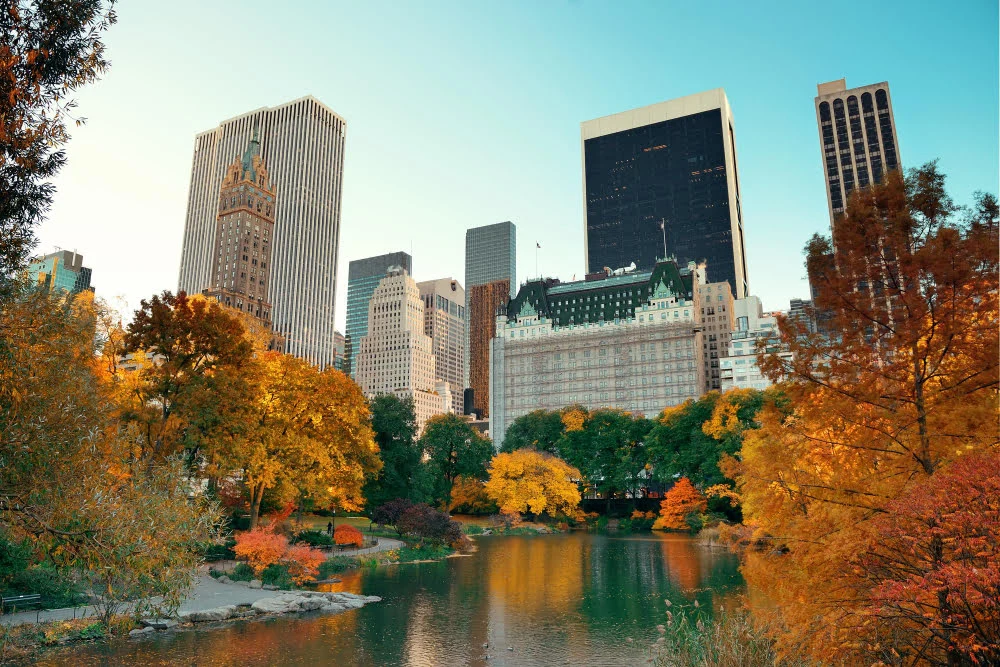
If you plan to visit during fall, bring enough warm clothes. To experience the fall foliage, head to Central Park in New York or Blue Ridge Parkway on the East Coast.
Because of Thanksgiving, it’s also a great time to try fall dishes such as pumpkin pie or warm apple cider.
4. Winter (December – February)
Winter brings heavy snow to many parts of northern and central U.S. Temperatures can drop below 0°C, and in some states like Minnesota, it can even reach -20°C. Despite the cold, winter has its own charm, especially with Christmas and New Year celebrations lighting up every city.
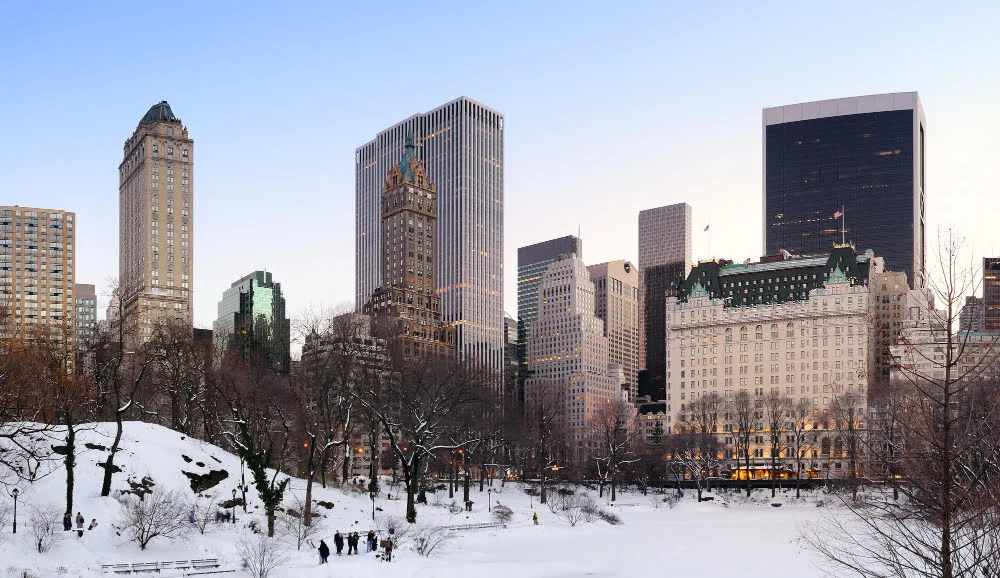
If you’re traveling during winter, make sure to bring thick clothing to stay warm. Always check the weather forecast to avoid snowstorms.
Read more: Navigating the Visa Process for Studying Abroad
For those from tropical countries, experiencing the four seasons in America can be truly unforgettable, from blooming spring flowers to snowy winter holidays.
If you’d like to learn more about living in the U.S., you can join our sharing sessions to hear real stories from people who have lived, studied, or worked there. Check out upcoming events and get inspired for your American adventure!