Have you ever seen a photo so beautiful it made you stop scrolling? Or maybe you enjoy capturing moments with your smartphone?
Behind the beauty of photos around the world, did you know that they’re divided into several types?
Photography types influence a person’s style and results. Whether you’re a beginner just learning or have been a photography enthusiast for a long time, understanding photography types is essential!
Let’s explore the most commonly used types of photography!
1. Portrait Photography
Portrait is a type of photography that focuses on a person’s face or expression. Its main purpose is to capture the character, personality, and emotions of the photo subject.
Portraits can be close-up shots of the face, half-body, or full-body, but the most important thing is that the main focus remains on the eyes and facial expression.
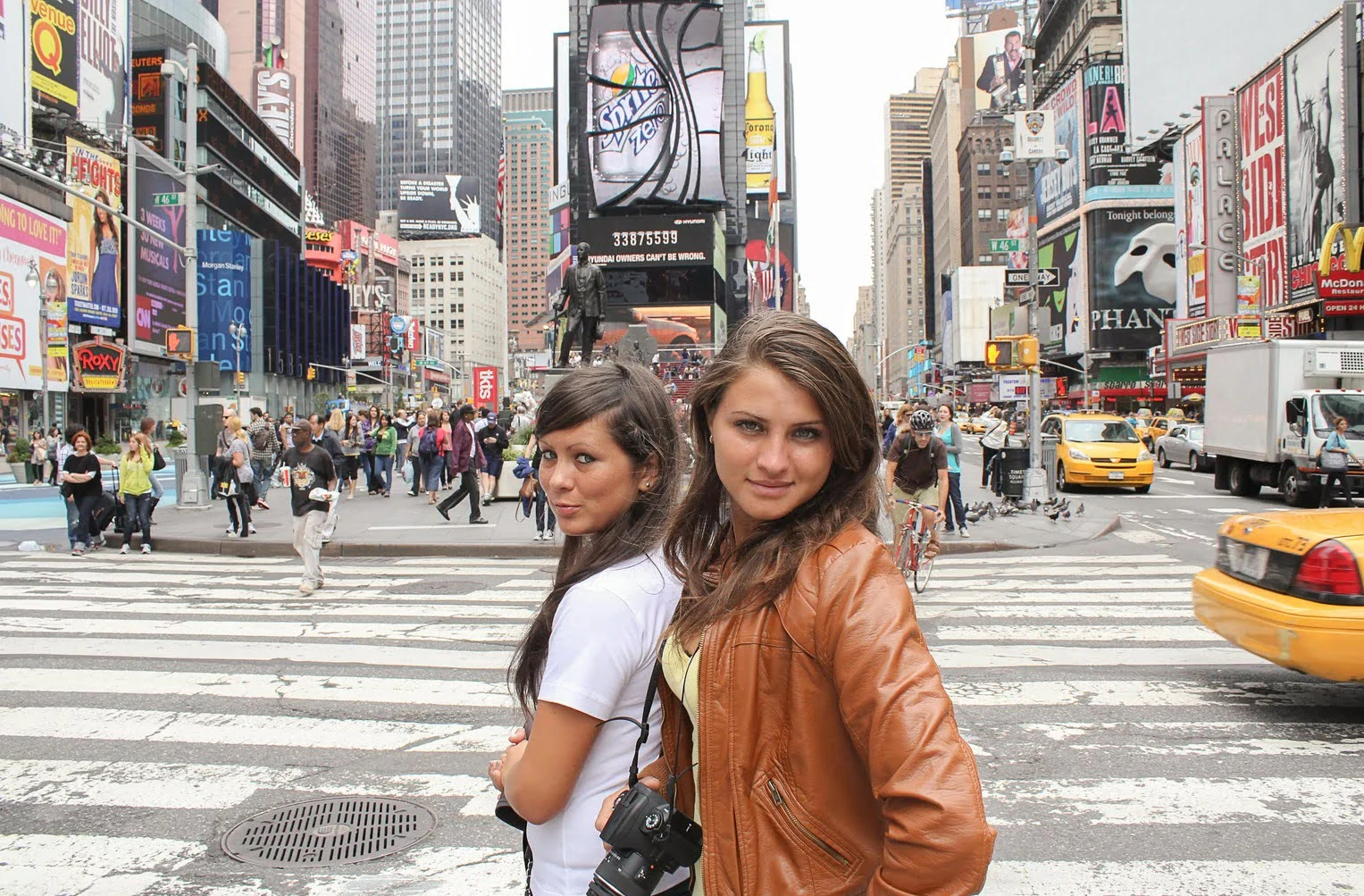
In portrait photography, lighting techniques play a very important role. Photographers typically use soft lighting to create flattering photos that highlight the subject’s best features. Techniques like shallow depth of field (wide aperture) are often used to blur the background and make the subject stand out more.
Portrait photography is suitable for various purposes, from professional profile photos and family photos to fashion and beauty photography. Many photographers start their careers with portraits because this type is highly sought after and always in demand.
2. Landscape Photography
Landscape is the art of capturing the beauty of nature and scenery. This type of photography displays vast expanses such as mountains, beaches, forests, rice fields, or even cityscapes from above. The goal is to capture the grandeur and beauty of the world around us.
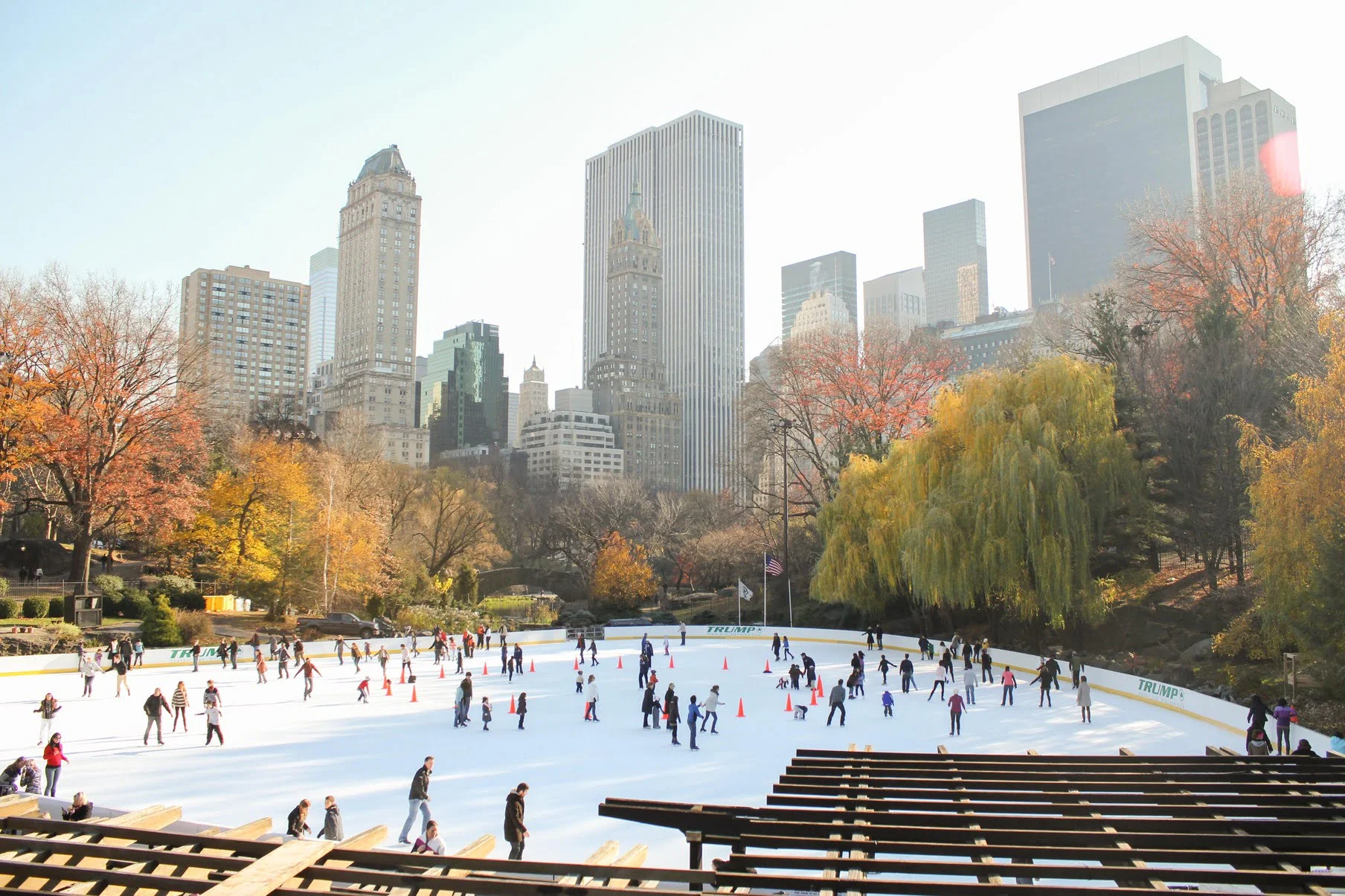
To produce stunning landscape photos, composition is key. Photographers often use the rule of thirds, leading lines, and framing to create balanced and attractive photos.
Additionally, using a tripod and small aperture (f/11 or smaller) helps produce sharp photos from foreground to background. Landscape photography teaches patience because you must wait for the right moment and light to get the best results.
3. Street Photography
Street photography is a type of photography that captures everyday life in public spaces. This type focuses more on candid moments (spontaneous moments that are not planned or arranged).
Usually street photographers roam around streets, markets, parks, or other public areas to find interesting stories in urban life. The photo taken by one of AyoMotret Jakarta’s photographers below is a perfect example of street photography. This photo shows the atmosphere of the High Line in New York with people passing by and a small family relaxing.

What makes street photography interesting is its authenticity. The resulting photos display emotions, social interactions, culture, and the dynamics of society as they are. Unlike arranged portraits, street photography relies on timing and the photographer’s sensitivity to precious moments.
To master street photography, you need to train your observation skills and be brave enough to shoot in public places. Use a camera that’s not too conspicuous so subjects remain natural. Many street photographers use fixed focal length lenses like 35mm or 50mm because they’re practical and produce natural-looking photos.
4. Architecture Photography
Architecture photography is a type of photography that captures buildings and architectural structures. Its main focus is to display the design, shape, lines, textures, and details of a building, both exterior and interior. This type of photography requires a strong understanding of perspective and composition.
One challenge in architecture photography is avoiding perspective distortion, especially when photographing tall buildings. Photographers often use tilt-shift lenses or perform perspective correction during editing to ensure vertical lines remain straight and not tilted.
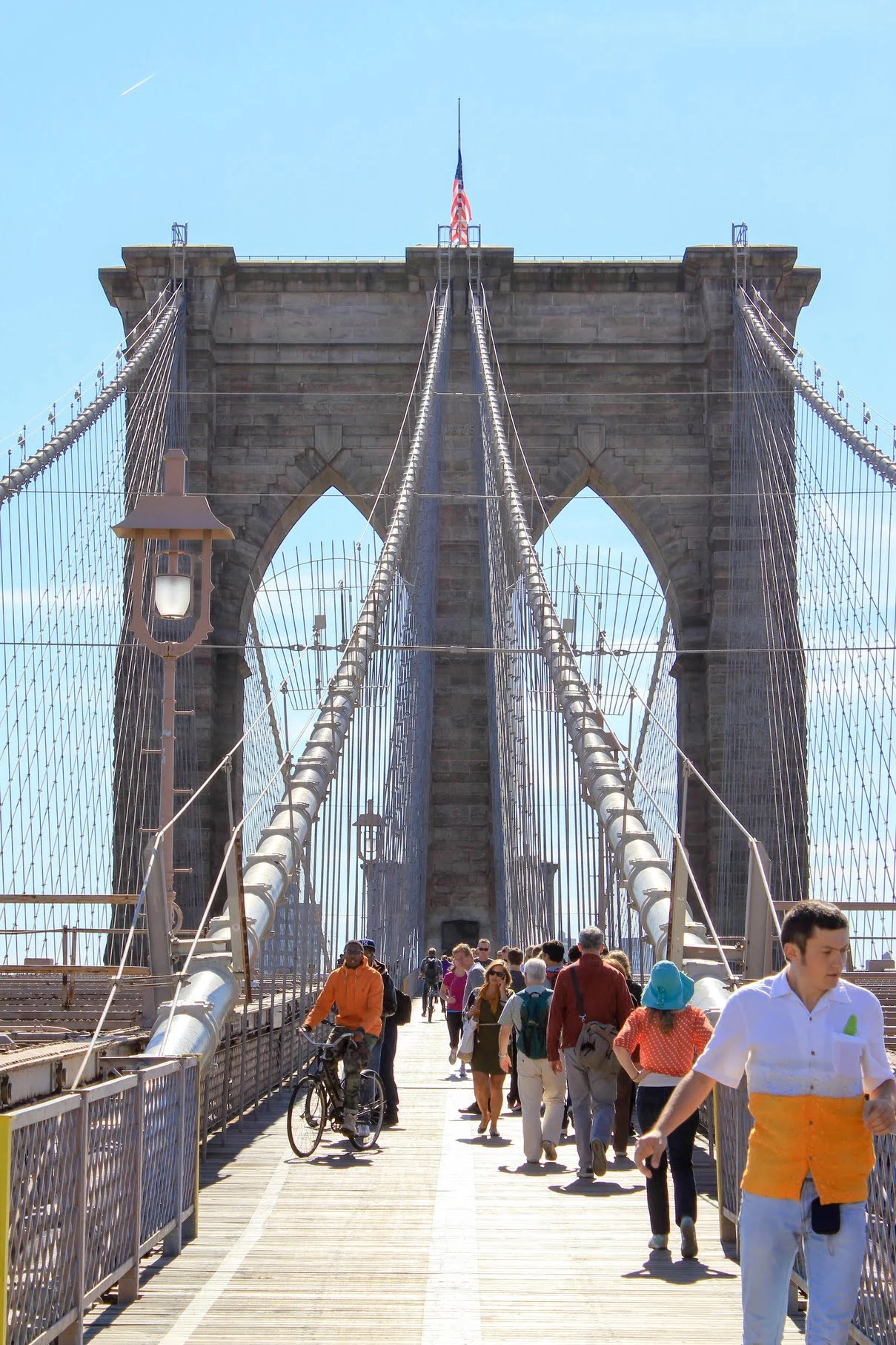
Architecture photography isn’t just about documenting buildings, but also about showcasing the art and creativity of architects. Lighting, angles, and timing greatly affect the mood and impression created. Architecture photos are often used for property promotions, architect portfolios, or design magazine publications.
Read also: 11 Iconic American Buildings
5. Documentary Photography
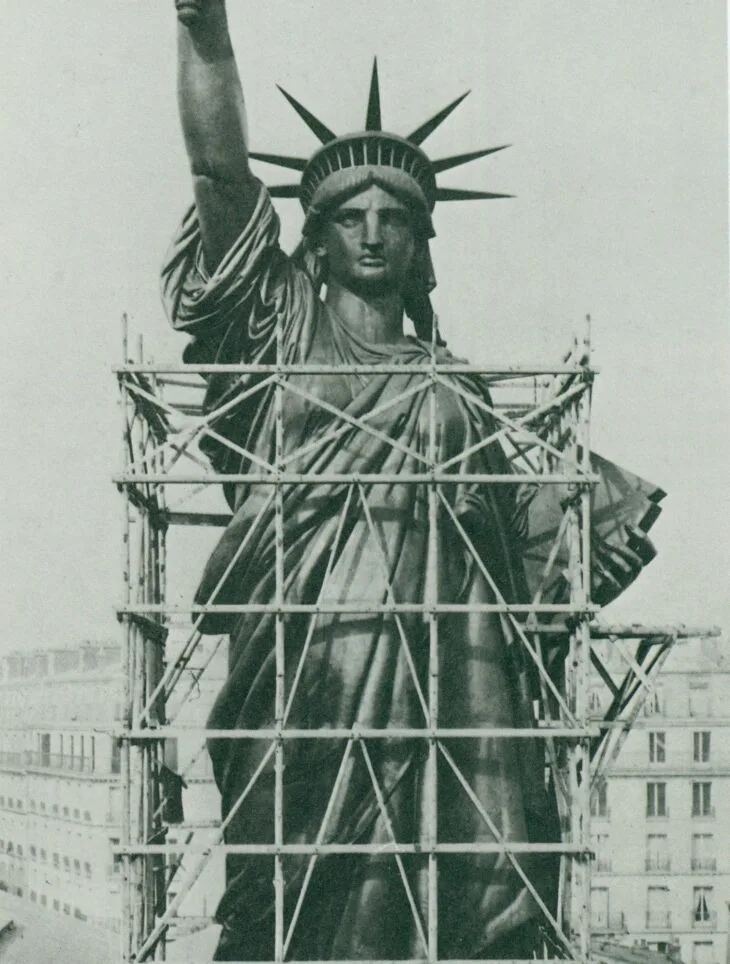
Documentary photography is a type of photography that aims to document events, social conditions, or community life honestly and objectively. Unlike commercial photography which is often arranged and beautified, documentary photography presents reality as it is to tell a story or convey a specific message.
This type of photography is often used in journalism, social projects, or historical documentation. Documentary photographers need to have empathy and sensitivity toward the issues being documented. They must also maintain ethics, respect subjects’ privacy, and not manipulate situations to get more dramatic photos.
Read also: History of the Statue of Liberty
Documentary photography has the power to change perspectives and raise public awareness about important issues. Strong documentary works often trigger social change and become valuable historical records for future generations.
6. Cinematic Photography
Cinematic is a photography style inspired by film aesthetics. Cinematic photos have characteristics of moody colors, dramatic composition, and strong storytelling in a single frame. This type of photography uses special color grading techniques that give the impression of a scene from a movie.
What distinguishes cinematic photography from other types is its storytelling approach. Each photo is designed to tell or suggest a narrative, complete with a certain mood and atmosphere. Cinematic photographers often use wider aspect ratios (such as 2.35:1) to create a stronger cinematic impression.
Lighting in cinematic photography also tends to be more dramatic, with purposeful use of light and shadow to create depth and dimension. This style is very popular on social media and is often used for branding purposes, fashion editorials, or personal projects that want to have a strong visual impact.
Conclusion
Photography has various genres and each offers its own challenges and beauty. From portrait to cinematic, all these types of photography enrich the way we see and capture the world.
You don’t have to master all types at once. Try exploring various genres to find which one best suits your interests and passion. Most importantly, keep practicing, learning from other photographers’ works, and don’t be afraid to experiment with your own style.
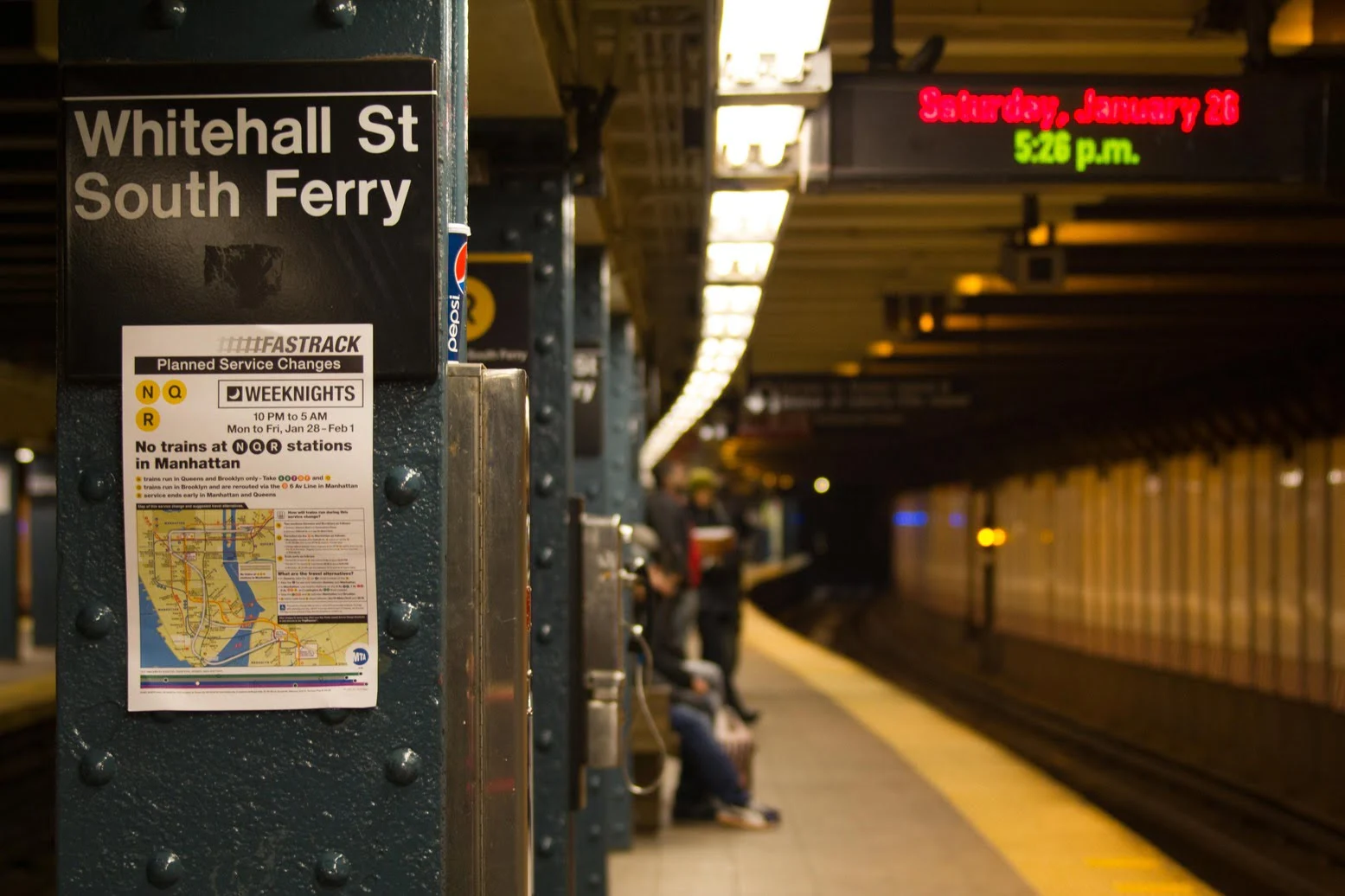
If you’re interested in exploring the photos above with a more complete collection, you can visit a free photo exhibition showcasing New York City landscapes at Pacific Place, Jakarta. This event is organized by @america from December 23, 2024, to January 3, 2025.
Who knows, your visit might inspire you to start or continue developing your own photography skills!