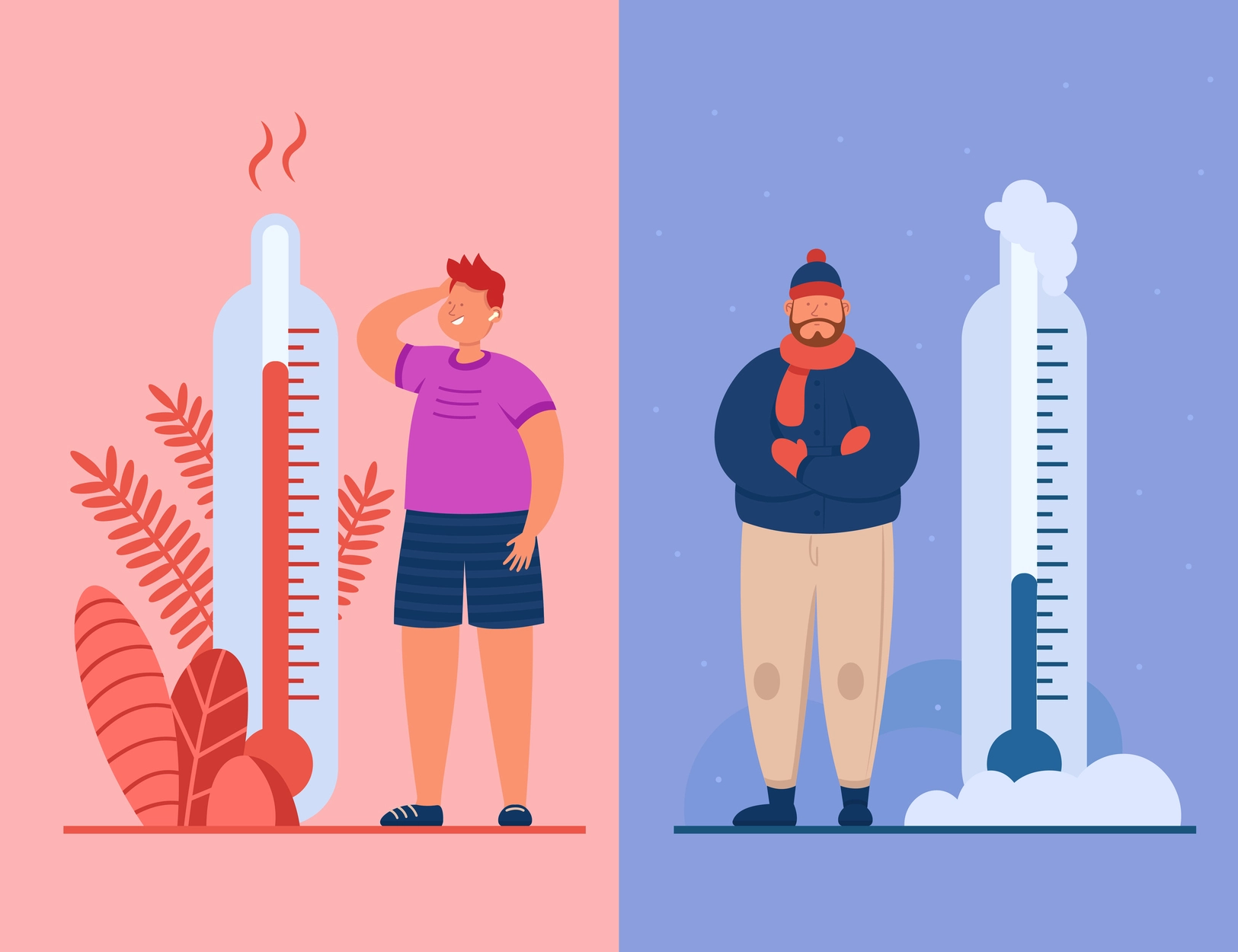

As residents of a tropical country, we may be accustomed to weather changes that tend to be consistent throughout the year. However, this is not the case with the United States.
Due to its geographical location, the United States has a diverse climate. Each state can have different weather at the same time. How does this happen?
Let’s explore a complete explanation of how the geographical location of the United States affects their climate and influences their daily lives.
U.S. Geography
The United States has an area of approximately 9.8 million square kilometers and is the third largest country in the world by area. Stretching from the Atlantic Ocean in the east to the Pacific Ocean in the west, the U.S. encompasses various highly diverse geographical zones.
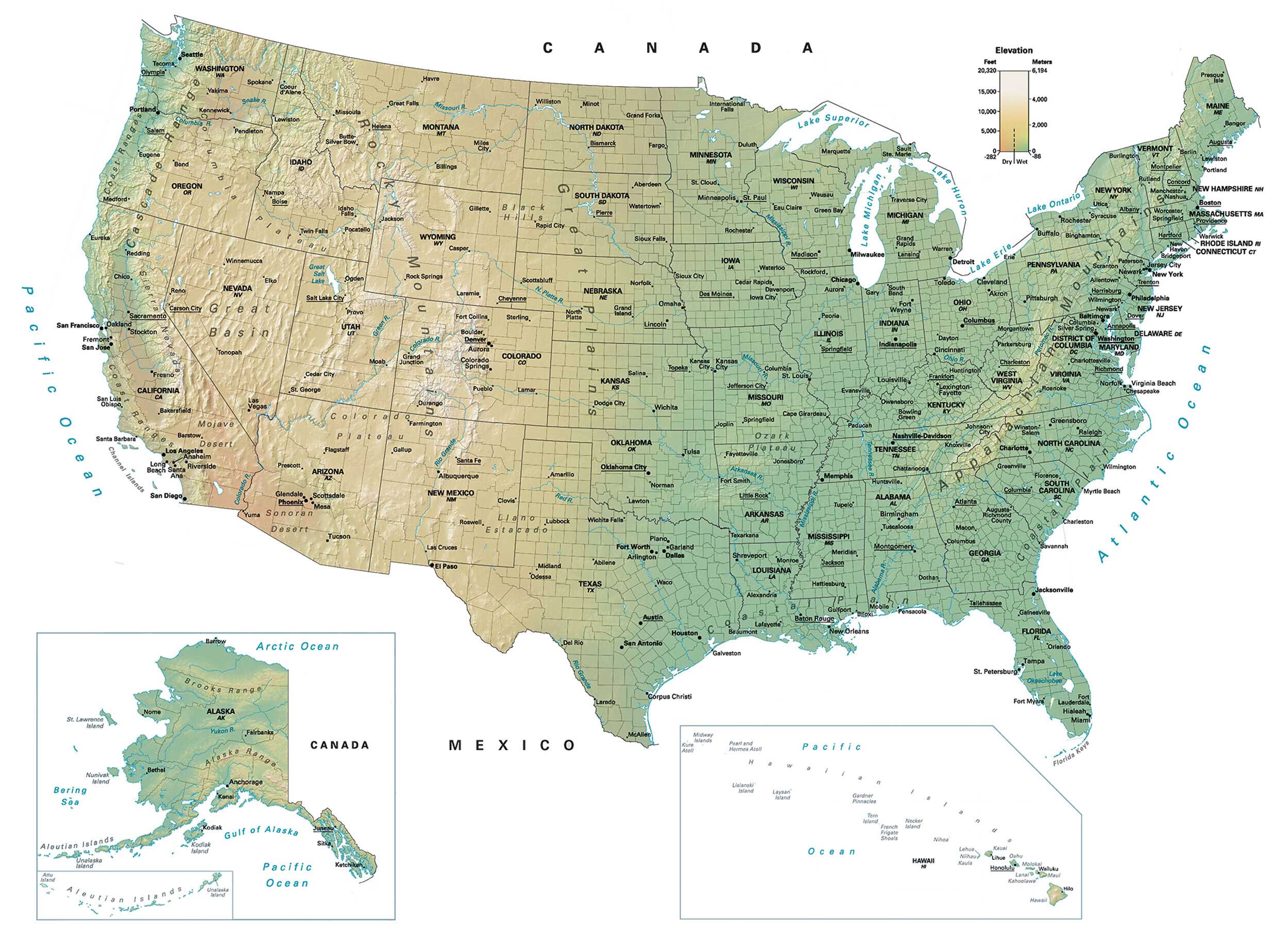
The mainland United States is located between latitudes 25° and 49° North. The country borders Canada to the north and Mexico to the south.
In addition to the 48 contiguous states, the U.S. also has Alaska in the northwestern tip of the North American continent and Hawaii in the middle of the Pacific Ocean.
Geographic Influences on Climate
The vast expanse of the United States creates geographical diversity that greatly affects the climate of certain regions, such as:
- The Rocky Mountains in the west create a natural barrier that affects weather patterns
- The vast Great Plains in the center of the country serve as a meeting place for warm and cold air masses
- Long coastlines on three sides (Atlantic, Pacific, and Gulf of Mexico) bring maritime influences
- The Great Lakes influence regional climate
The vast geographical expanse from north to south and east to west, combined with variations in elevation and geographical features, creates one of the greatest climate diversities in the world within a single country.
Read also: 10 Most Popular National Parks in America
Types of Climate in the United States
Unlike Indonesia, which has a relatively uniform tropical climate, the United States has almost every type of climate on earth, from arid deserts to temperate rainforests.
1. Humid Continental Climate
Region: Most of the Midwest and Northeast (Chicago, New York, Boston, Minneapolis)
Characteristics:
- Very cold winters with temperatures reaching -30°C
- Warm to hot summers (25-30°C)
- Four distinct seasons: spring, summer, fall, and winter
- Abundant snowfall in winter, especially in the Great Lakes area
Imagine having to wear a thick coat, gloves, and scarf just to leave the house in January, very different from Jakarta.
2. Humid Subtropical Climate
Region: Southeast (Florida, Georgia, Carolina, parts of Texas and Louisiana)
Characteristics:
- Hot and humid summers similar to Jakarta (30-35°C)
- Cool to cold winters (5-15°C)
- High rainfall throughout the year
- Hurricane season from June to November
3. Mediterranean Climate
Region: California Coast (Los Angeles, San Francisco, San Diego)
Characteristics:
- Dry and warm summers
- Cool and wet winters
- Sunny weather most of the year
- Ideal climate that makes California a popular place to live
4. Arid and Semi-Arid Climate (Desert)
Region: Southwest (Arizona, Nevada, New Mexico, parts of California)
Characteristics:
- Very low rainfall (less than 250mm per year)
- Extreme temperature differences between day and night
- Very hot summers (can reach 45-50°C in Arizona)
- Cool to cold winters
5. Oceanic/Maritime Climate
Region: Pacific Northwest (Seattle, Portland, Oregon Coast)
Characteristics:
- High rainfall, especially in fall and winter
- Moderate temperatures year-round
- Cool and dry summers
- Rarely experiences extreme temperatures
6. Subarctic and Arctic Climate
Region: Alaska
Characteristics:
- Very long and extreme winters (can be -40°C or colder)
- Short and cool summers
- Midnight sun phenomenon in summer and long nights in winter
- Permafrost (permanently frozen ground)
7. Tropical Climate
Region: Hawaii, Florida Keys, Puerto Rico
Characteristics:
- Warm year-round (similar to Indonesia!)
- High rainfall
- No real winter season
- Lush tropical vegetation
How Climate Affects Daily Life in America
Climate variations in the United States affect almost every aspect of residents’ daily lives, from what they wear and eat to how they build homes and plan activities.
Clothing

Americans, especially in areas with four seasons, have much more diverse wardrobes than most Indonesians:
In winter, they stock up on thick coats (winter coats), layered jackets (down jackets), sweaters, gloves, scarves, beanies, and waterproof boots.
In summer, they tend to wear light clothing like we usually wear in Indonesia. Meanwhile, during transitional seasons, most of them wear light jackets, cardigans, and layered clothing.
The concept of “layering” is very important, especially because buildings in the U.S. generally have strong heating systems in winter. You might need to remove several layers of clothing when entering a room!
Food and Eating Habits
Climate affects the types of popular foods and availability of local products. During winter, the most sought-after foods are comfort foods, such as thick soups, stews, and casseroles, or hot beverages, such as coffee, tea, and hot chocolate.
Additionally, because Thanksgiving and Christmas occur during winter, dishes like Thanksgiving turkey and holiday cookies have become winter traditions.
Meanwhile, during summer, they tend to enjoy picnics with fast food or BBQ in their yards.
Unlike Indonesia, which can enjoy fresh tropical fruits year-round, Americans are more accustomed to the concept of “seasonal produce.”
Read also: 10 Classic American Fall Foods
Activities and Lifestyle
Seasons greatly determine recreational activities:
Winter:
- Skiing and snowboarding
- Ice skating
- Indoor activities are more dominant
- Holiday season and indoor celebrations
Summer:
- Hiking and camping
- Beach activities
- Outdoor concerts and festivals
- Gardening and other outdoor activities
Fall:
- Apple picking and pumpkin patches
- Viewing fall foliage
- Football season
Spring:
- Festivals and outdoor markets become busy again
- Gardening and spring cleaning
Conclusion
By understanding the climate of the United States, we gain better insight into daily life in the country.
For those planning to visit or live in the United States, knowledge of local climate is very important for your preparation. Each region has its own uniqueness, which is very different from our tropical climate in Indonesia.
If you’re interested in learning more about life, culture, and various aspects of the United States, join a sharing session with @america featuring speakers with experience living in the United States.
Follow @america on social media and visit our events page for information about upcoming events.