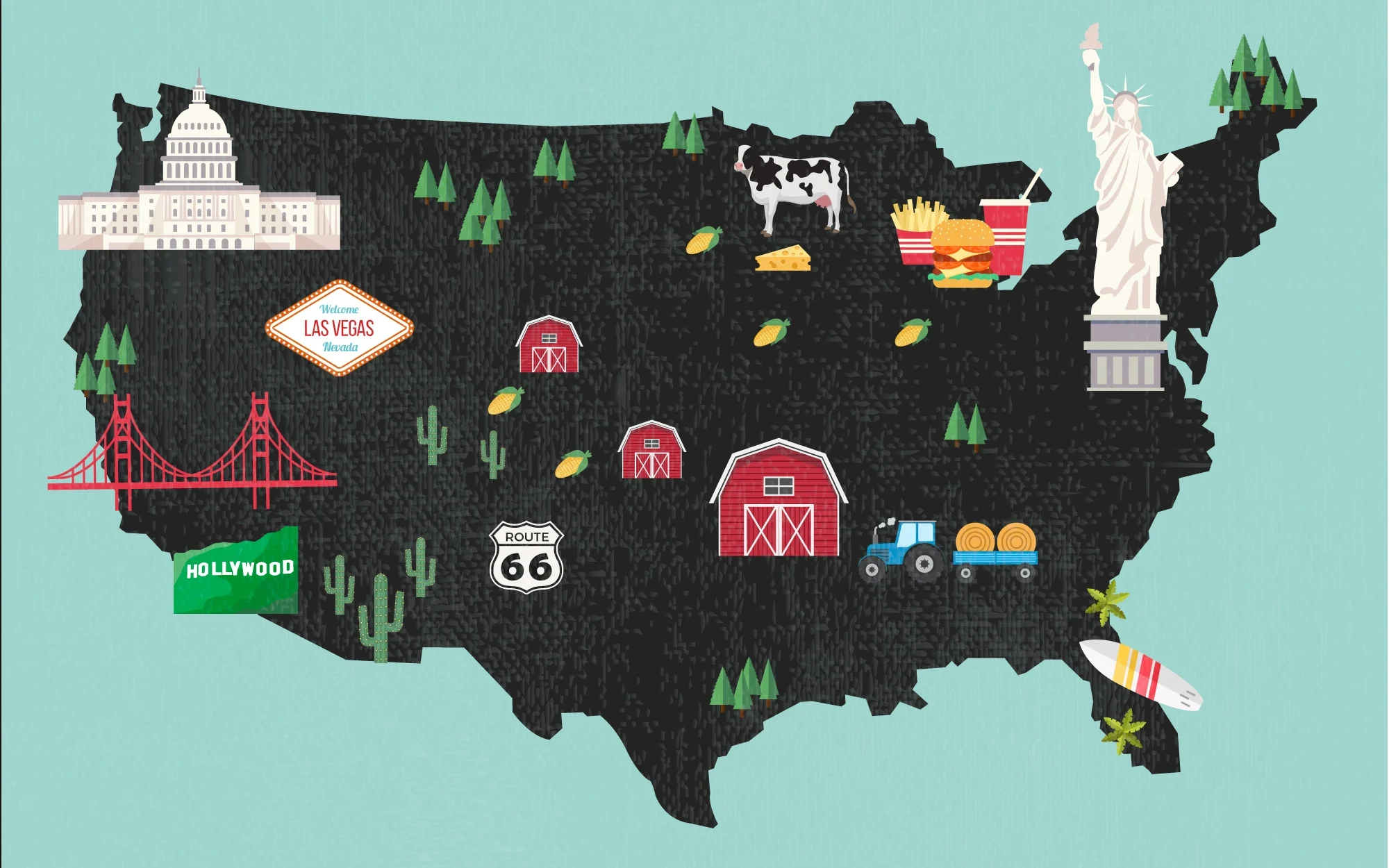

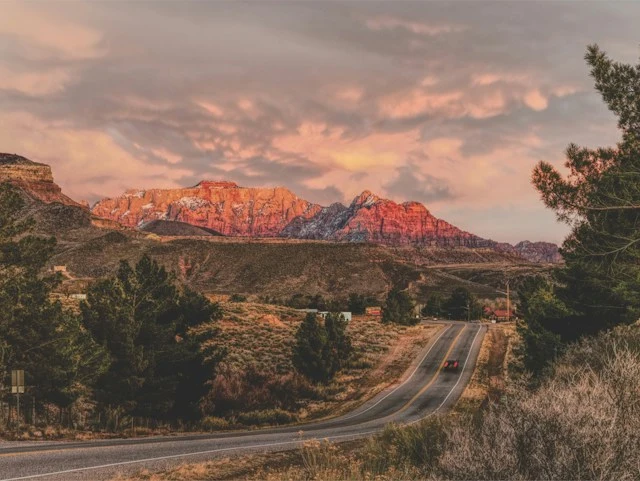
Picture yourself behind the wheel with the windows down, a long road stretching ahead, and red rock cliffs glowing in the morning sun. That is the image most people have when they think of an American road trip. For many travelers, driving is the most exciting way to see a country almost as big as Southeast Asia and Australia combined.
But before you book a flight, there is one important question: which national parks are actually good for a road trip?
America has 63 national parks, and not all of them fit neatly into one drive. Some sit close together and make a perfect route. Others are far apart or hard to combine.
In this article, we will look at the parks that work best for a road trip, share a sample 6-day route, and give you practical tips for international travelers.
Why National Parks Are Great for Road Trips
America’s national parks are built to be enjoyed from the road. Many have scenic main roads, viewpoints right beside the pavement, and parking lots close to hiking trails. With a car, you decide when to stop, when to move on, and how long to stay at each spot.
Road trips are also part of American culture. If you are curious about the history, read our guide to Route 66, America’s legendary highway. And if you want a quick overview of the options, take a look at the top 10 national parks in America.
Three Things to Check When Choosing Parks
Before you plan your route, check these three things for every park on your list:
- Distance between parks. America is huge. Two parks that look close on a map can still be a full day apart.
- Road access. Some parks can only be reached by boat, park bus, or plane.
- Season and opening hours. Some roads and areas are open only at certain times of year.
With those in mind, let us look at the parks highlighted in this ShareAmerica list. Six of them are realistic for a drive: Zion, Bryce Canyon, Grand Canyon, Yellowstone, Great Sand Dunes, and Carlsbad Caverns.
The Best National Parks for a Road Trip
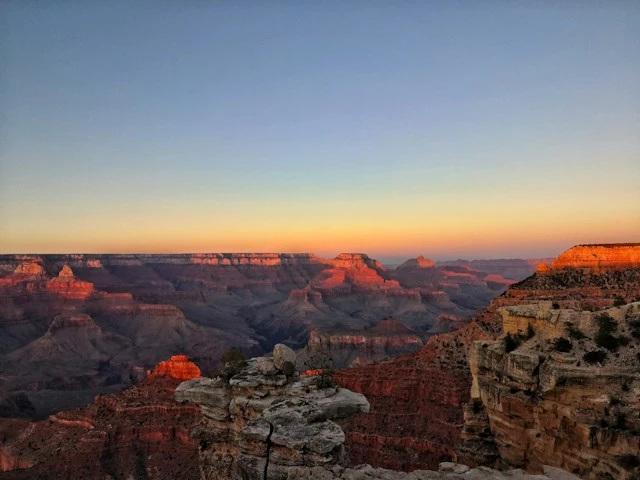
1. Zion, Bryce Canyon, and Grand Canyon: The Southwest Trio
If this is your first national parks road trip, start here. Zion and Bryce Canyon are in Utah, and Grand Canyon is in Arizona. The drives between them are friendly: roughly 1.5 to 2 hours from Zion to Bryce Canyon, and about 3 to 5 hours from Bryce Canyon to Grand Canyon, depending on which rim you visit.
- Zion: Wade through a shallow river inside a canyon on The Narrows hike, with walls rising about 300 meters (1,000 feet) on both sides. It is busiest from June to September, when the water is warm and the flow is lower. To reach the trail, take the park shuttle to the Temple of Sinawava, then walk the Riverside Walk.
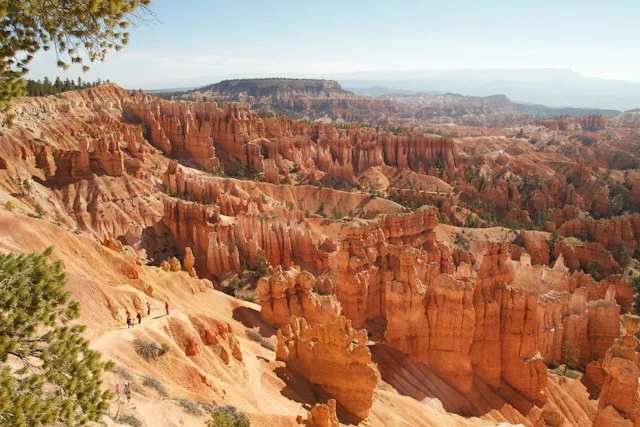
- Bryce Canyon: This is an internationally certified Dark Sky Park. On a clear, moonless night you can see the Milky Way, meteors, planets, and thousands of stars. Bring a telescope if you have one.
- Grand Canyon: Besides admiring the view from the rim, you can hike, raft, ride mules, or take a helicopter tour. Some tours need reservations, so book early.
This section works well for a trip of 5 to 7 days. Many travelers fly in and out of Las Vegas because of its many flights and car rental options.
2. Yellowstone: Great for Driving, but Plan It as a Separate Trip
Yellowstone is the world’s first national park, established on March 1, 1872. It spans three states, Wyoming, Idaho, and Montana, and is larger than Delaware and Rhode Island combined.
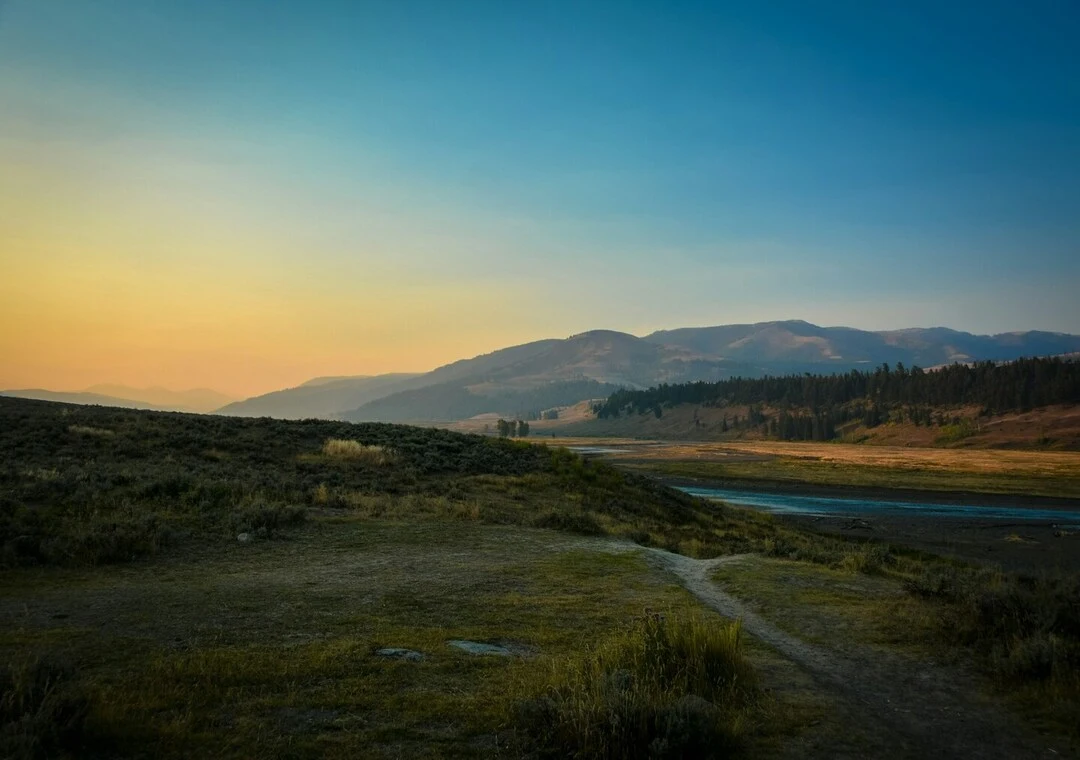
The park is ideal for road trips because its loop road connects many of its highlights. A favorite is Lamar Valley in northern Wyoming, often called the “Serengeti of North America.” You may spot elk and bison, and with some luck wolves, coyotes, and grizzly bears. Wildlife is most active at dawn and dusk.
However, Yellowstone is in the northern Rocky Mountains, about 10 hours’ drive from Zion. Do not try to squeeze both into one short vacation. It is better to make Yellowstone its own trip, starting from Salt Lake City or Bozeman, for example.
One safety note: follow the National Park Service (NPS) distance rules. In general, stay about 100 yards (91 meters) away from bears and wolves, and 25 yards (23 meters) from other wildlife, including bison.
3. Great Sand Dunes and Carlsbad Caverns: Add-Ons for a Longer Route
Both parks can be reached by road, but they are quite remote from the parks in Utah and Arizona.
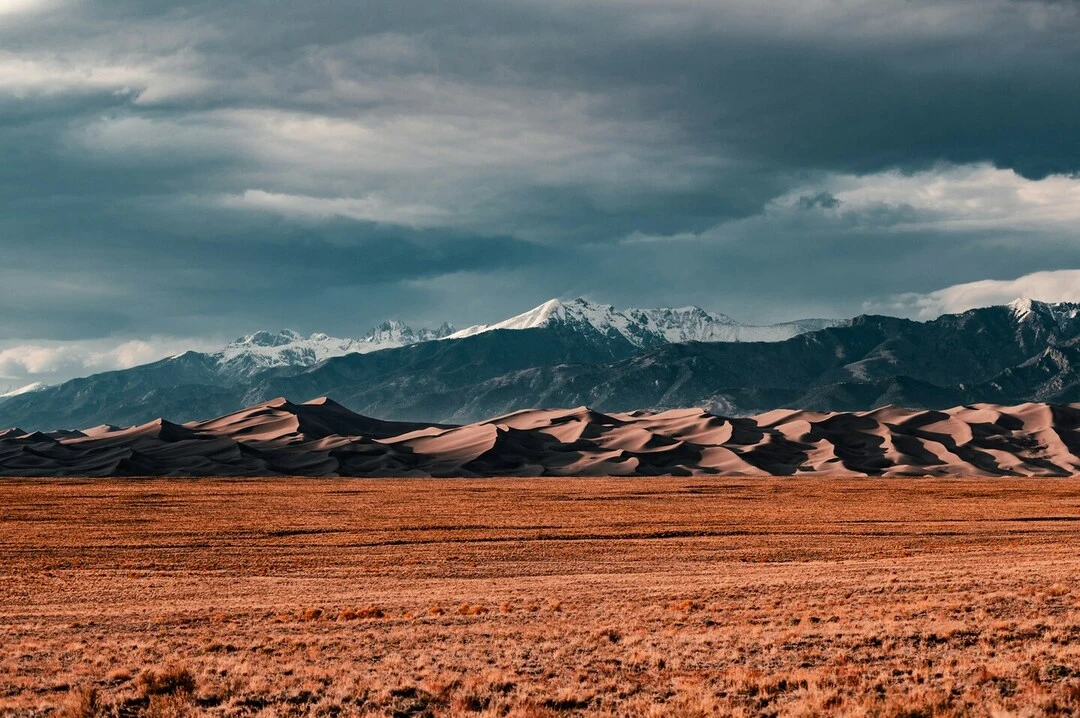
- Great Sand Dunes (Colorado): Home to the tallest sand dunes in North America. You can rent sandboards or sleds and slide down the dunes, a bit like playing in snow in the middle of the desert.
- Carlsbad Caverns (New Mexico): Every evening from April to October, about 500,000 bats fly out of the cave to hunt for insects. Seats at the outdoor amphitheater are first come, first served.
If you have 10 days or more, you can add one of them, but plan for long drives. Getting from Grand Canyon to Great Sand Dunes alone takes roughly 8 to 9 hours.
Sample 6-Day Route: Las Vegas, Zion, Bryce Canyon, Grand Canyon
Here is a simple route you can adjust to your own pace:
- Day 1: Fly into Las Vegas, pick up your rental car, and drive about 2.5 to 3 hours to Zion. In the afternoon, take an easy walk along the Riverside Walk.
- Day 2: Spend the whole day in Zion. If the season is right, try The Narrows.
- Day 3: Drive to Bryce Canyon. In the evening, enjoy the starry sky.
- Day 4: Watch the sunrise at Bryce Canyon, then continue to Grand Canyon.
- Day 5: Explore Grand Canyon. Choose between walking along the rim, hiking, or a helicopter tour.
- Day 6: Drive back to Las Vegas and get ready to fly home.
These drive times are estimates. Always check a map app and the official park websites for current road conditions, especially outside peak season.
Road Trip Tips for International Travelers
1. Prepare Your Documents and Check Entrance Fees
Make sure your visa and travel documents are in order by checking the U.S. Department of State website.
Regarding park fees, new rules started on January 1, 2026: visitors who are not U.S. residents and are 16 or older pay an extra US$100 per person at 11 popular parks. Zion, Bryce Canyon, Grand Canyon, and Yellowstone are among them.
As an alternative, there is an America the Beautiful Non-Resident Annual Pass for US$250, which covers the pass holder and up to three other adults traveling with them. If you plan to visit several parks, compare the costs first.
Because rules can change, always check nps.gov before you go.
2. Pick the Right Season
The season affects almost everything, from temperature to trail conditions to opening hours. The Narrows in Zion, for example, is best in summer. Mountain areas, on the other hand, can get very cold in fall and winter. Read up on the 4 seasons in America and the U.S. climate so you know what to pack.
3. Avoid the Biggest Crowds
National parks fill up during school holidays and long weekends. Check the holidays in the United States so you can avoid the busiest dates, or at least book your lodging early.
4. Let Your Body Clock Adjust
The time difference between Indonesia and America is big. Give yourself a day to adjust before you start driving long distances.
5. Know the Driving Rules
In America, you drive on the right side of the road. Before you go, check the driver’s license requirements in the state you are visiting and the rental company’s rules, including minimum driver age. Many travelers also get an International Driving Permit as a backup.
6. Pack Snacks and Fill Up the Tank Early
Some parks are far from any town. Fill your tank before entering remote areas, and bring water and snacks.
7. Catch the Best Light for Photos
The parks look their best at sunrise and sunset. To get great shots, read our tips on light in photography.
Ready to Start Your Dream Road Trip?
A national parks road trip is one of the best ways to experience America’s natural beauty up close. Start with a realistic route like Zion, Bryce Canyon, and Grand Canyon, then save the other parks for your next adventure. With good planning, every mile becomes part of the story.
Want to learn more about travel and culture in the United States? Explore more articles on AtAmerica, from must-visit tourist destinations in the U.S. to our complete list of U.S. states.