
Learning English can often feel challenging for beginners, especially if you’re not yet used to hearing or using it in daily life. However, with the right learning methods applied consistently, your English skills can develop gradually and become easier to grasp.
In today’s globalized era, English proficiency has become one of the most essential skills needed for education, career advancement, and business. Beyond helping you understand international information, English skills can open up more job opportunities and boost your confidence when communicating.
Through this article, you’ll discover effective ways to learn English as a beginner, along with practical tips to make your learning journey faster, easier, and more enjoyable.
Why Learning English Matters?
English is recognized as an international language used across countries around the world. Mastering English not only helps you communicate, but also opens up more opportunities in education, career development, and personal growth.
In today’s global era, English proficiency is one of the most in-demand skills — whether for pursuing higher education, landing a better job, or communicating with people from different countries.
Read more: Getting to Know the American Education System
Here are a few reasons why learning English matters:
1. Opens Career Opportunities
Many companies today look for candidates who can communicate in English. This skill is a significant advantage, especially for positions in international companies, startups, and the digital industry.
2. Easier Access to Information
The majority of information on the internet is available in English—from articles and educational videos to online courses. Understanding English gives you access to high-quality learning resources from around the world.
3. Helpful When Traveling
English is widely used across many countries. When traveling abroad, basic English skills will be extremely helpful for communication, such as asking for directions, ordering food, or understanding important information.
Read more: 6 Must-Visit Tourist Destinations in the U.S.
4. Supports Education
Many of the best books, journals, and learning materials are available in English. Understanding the language broadens your learning, making it easier and more effective to access knowledge from various countries.
How to Learn English as a Beginner
1. Build Your Basic Vocabulary
Start by memorizing commonly used words in everyday conversations, such as greetings, numbers, colors, names of household items, and daily activities. Try learning 5–10 new words each day so they’re easier to retain and build on gradually.
2. Improve Listening Through Films and Songs
Listening to songs or watching English-language films can help improve your listening skills and pronunciation. Tips: start with Indonesian subtitles, then switch to English subtitles, and pay attention to how words are pronounced slowly.
3. Practice Speaking Regularly
Don’t be afraid of making mistakes. The more you practice, the faster your speaking skills will improve. You can try talking to yourself in front of a mirror, reading English texts aloud, or chatting with friends in simple English.
4. Learn Basic Grammar
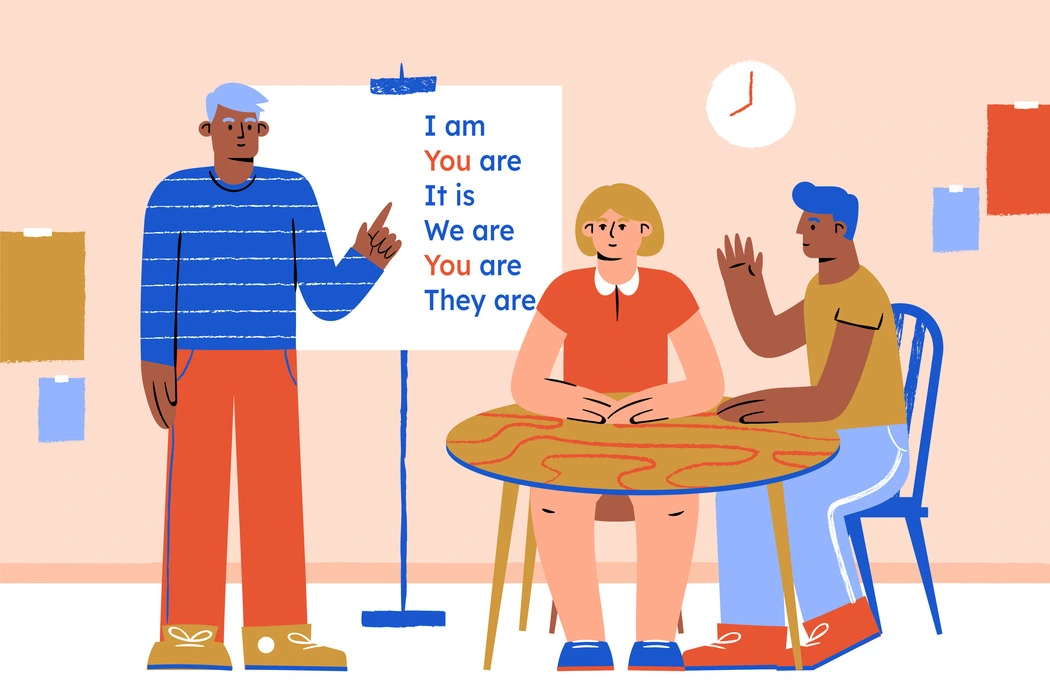
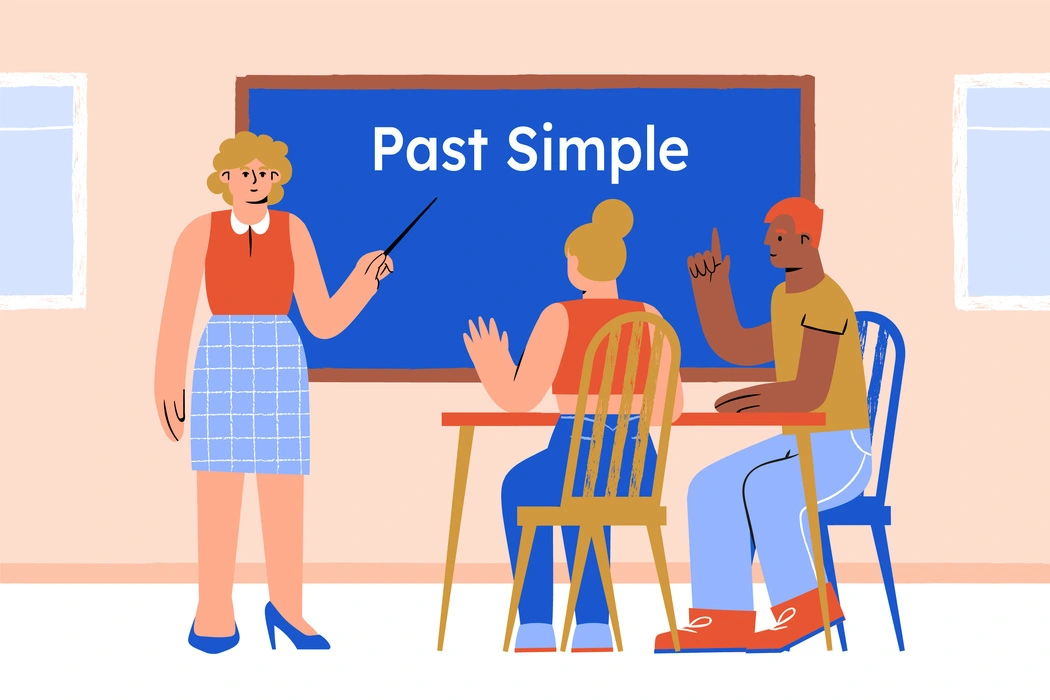
Grammar is important for forming correct sentences, but beginners don’t need to dive into complex rules right away. Focus on the fundamentals first, such as Simple Present Tense, Simple Past Tense, Pronouns, and To Be (is, am, are).
5. Use English Learning Apps
Learning English is now easier than ever with interactive apps you can use anytime on your smartphone. Some apps worth trying include Speak, NotebookLM, and Duolingo.
Effective English Learning Tips for Beginners
1. Be Consistent Every Day
Studying 15–30 minutes daily is far more effective than studying for long periods irregularly. Consistency is the key to mastering English step by step.
2. Don’t Be Afraid to Make Mistakes
Mistakes are an important part of the learning process. The more you try, the faster your English skills will grow.
3. Use English in Your Daily Activities
Make it a habit to use English in everyday life—change your phone’s language to English, write simple daily journal entries, or use English captions on social media.
4. Focus on Progress, Not Perfection
Language learning takes time. Don’t compare yourself to others — instead, focus on the small progress you make each day.
5. Find a Learning Method You Enjoy
Learning is much easier when you do it in a way you love. Try learning through films, podcasts, music, educational games, or social media content.
Conclusion
Learning English as a beginner doesn’t have to be complicated. By starting with basic vocabulary, practicing listening and speaking regularly, and studying consistently, your English skills will develop gradually.
Choosing a learning method you enjoy can also help keep your motivation alive. Most importantly, stay consistent and have the courage to keep trying without fear of making mistakes.
Start with small steps today—because English proficiency can open many doors in the future, whether in education, your career, or everyday life.
Learn English with @america
If you want to accelerate your learning and need someone to practice with, consider joining a supportive community! @america hosts a variety of activities perfect for beginners, including an English-speaking community through their Coffee Chats program—a relaxed space to practice English conversation with new people. There’s also an English public speaking club through Metropolitan Toastmasters, where you can build the confidence to speak in front of an audience.
Joining a community is one of the best ways to learn faster, stay motivated, and find supportive peers who will cheer you on along the way. Check out the event schedule and join @america for some fun and informative events!