
Ever meant to just check a quick notification, and then suddenly realized an hour had gone by while you were still scrolling? Disaster headlines, celebrity drama, heated comment threads, you take it all in, and by the time you finally stop, it’s not because you feel satisfied, but because you’re exhausted and somehow more anxious than before. If this sounds familiar, you’re far from alone. This phenomenon has a name: doom scrolling, and its impact on mental health turns out to be much more serious than most people realize.
In today’s hyper-digital world, it’s essential to understand what doom scrolling is and how to overcome it, both to boost productivity and to protect your long-term mental health.
What Is Doom Scrolling?
Doom scrolling is the habit of continuously scrolling through social media or news feeds, especially negative content, even though it makes you feel worse. The term combines “doom” (impending disaster) with “scrolling,” capturing how someone gets trapped in an endless loop of bleak content they can’t seem to pull away from.
The phenomenon gained widespread attention during the COVID-19 pandemic, when people around the world compulsively sought updates about the unfolding health crisis. But doom scrolling isn’t limited to pandemic news. It can happen just as easily while scrolling through political headlines, international conflicts, accidents, or even emotionally charged social media drama.
What makes this habit so hard to break comes down to how our brains are wired. Humans have a natural tendency to pay more attention to negative information or perceived threats (known as negativity bias), rooted in ancient survival instincts. Unfortunately, in the digital age, this same wiring is exploited by social media algorithms designed to keep serving content that triggers strong emotions, including fear and anxiety. That’s exactly what keeps us glued to the app.
The Dangers of Doom Scrolling on the Brain
Doom scrolling is more than just a bad habit. Its effects on the brain and mental health turn out to be quite significant, including:
1. Increased Anxiety and Stress
Constant exposure to negative content triggers the release of cortisol, the body’s stress hormone. When cortisol levels stay elevated over time, it can lead to chronic anxiety, disrupted sleep, and a weakened immune system. This issue is also a key focus of World Mental Health Day, a global moment dedicated to raising awareness around our own mental wellbeing.
2. Disrupted Sleep Patterns
Scrolling through emotionally charged content right before bed keeps the brain in a heightened “alert” state. Combined with blue light exposure from screens, this significantly degrades sleep quality.
3. Reduced Focus and Productivity
A brain constantly bombarded with rapid bursts of information (fast scrolling) gradually loses its capacity for sustained focus. The brain becomes accustomed to instant stimulation, making it harder to concentrate on any single task for long.
4. A Sense of Helplessness
Continuous, unfiltered exposure to bad news can create excessive anxiety about the state of the world. It can also lead to a feeling of helplessness, since you have no real power to change what you’re seeing.
5. A Self-Reinforcing Addictive Cycle
Doom scrolling operates much like other forms of digital addiction. There’s a compulsion to keep checking even when you know it won’t feel good, because the brain has been conditioned to constantly seek validation or new information.
How to Break the Doom Scrolling Habit

The good news: this habit can be overcome with consistent, manageable steps. Here are five ways to stop doom scrolling:
1. Limit Screen Time
Use the screen time or digital wellbeing features built into your phone to cap how long you spend on certain apps, especially social media and news apps. Start small, 30 to 60 minutes a day, and adjust gradually from there.
2. Practice Mindfulness
Short meditation sessions, breathing exercises, or journaling can help “reset” the brain’s automatic scrolling reflex. Mindfulness trains you to become more aware of the urge to pick up your phone, creating a pause before you act on impulse. If you’re just getting started, journaling is one of the easiest places for beginners to begin.
3. Curate What You Consume
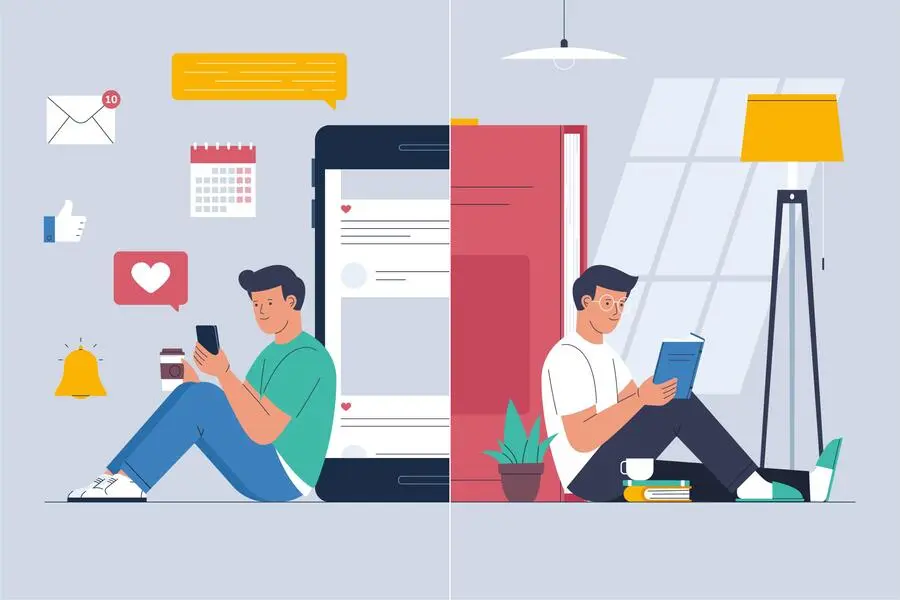
Take a fresh look at who and what you follow on social media. Unfollow or mute accounts that consistently share distressing or anxiety-inducing content, and make more room for content that’s informative, educational, or genuinely uplifting. As an alternative, you can also redirect your scrolling time toward calmer activities, like reading a book, watching a film, or listening to an educational podcast.
4. Get More Physical Activity
Exercise has been proven to boost mood and reduce stress naturally through the release of endorphins. Physical activity also serves as a healthy substitute for the reflex of endlessly staring at a screen.
5. Prioritize Face-to-Face Interaction
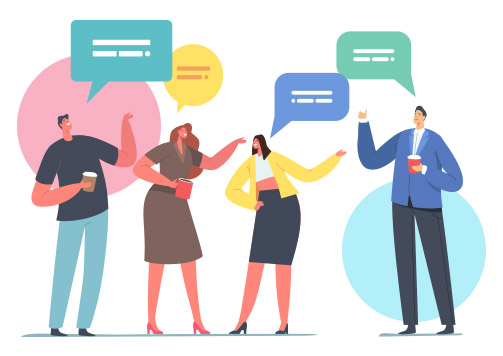
Spending quality time with the people around you, whether it’s chatting, playing, or simply hanging out in person, is a far healthier alternative to scrolling through social media alone.
Trade the Screen for Real Connection with @america!
One of the most effective ways to counter doom scrolling is to invest more in real-world connection and activities. At @america, you’ll find a wide range of free programs and events, from scholarship discussions and meeting new friends to film screenings and cultural sessions, that make your free time far more meaningful than an aimless scroll.
Check out @america’s latest event schedule and turn your downtime into something productive and genuinely enjoyable, together with a community that gets it.